What to know about Newham Council rules for flower displays
Posted on 03/10/2026
If you are planning a flower display in Newham, the first thing to understand is that the rules are rarely just about flowers. They can involve where the display sits, whether it affects pavements or access, whether it is attached to property, and whether other permissions or safety checks may apply. In other words, a lovely arrangement in the wrong place can become a headache very quickly. This guide explains what to know about Newham Council rules for flower displays in plain English, so you can plan with confidence and avoid the awkward surprises that tend to show up later, usually when someone else spots the problem first.
Whether you are a shop owner, venue manager, event organiser, property tenant, or simply someone arranging flowers outside a business, you need a practical view of what usually matters. The good news? Once you understand the logic behind local rules and common council expectations, most decisions become much easier. Let's get into it properly.
Table of Contents
- Why What to know about Newham Council rules for flower displays Matters
- How What to know about Newham Council rules for flower displays Works
- Key Benefits and Practical Advantages
- Who This Is For and When It Makes Sense
- Step-by-Step Guidance
- Expert Tips for Better Results
- Common Mistakes to Avoid
- Tools, Resources and Recommendations
- Law, Compliance, Standards, or Best Practice
- Options, Methods, or Comparison Table
- Case Study or Real-World Example
- Practical Checklist
- Conclusion
- Frequently Asked Questions
Why What to know about Newham Council rules for flower displays Matters
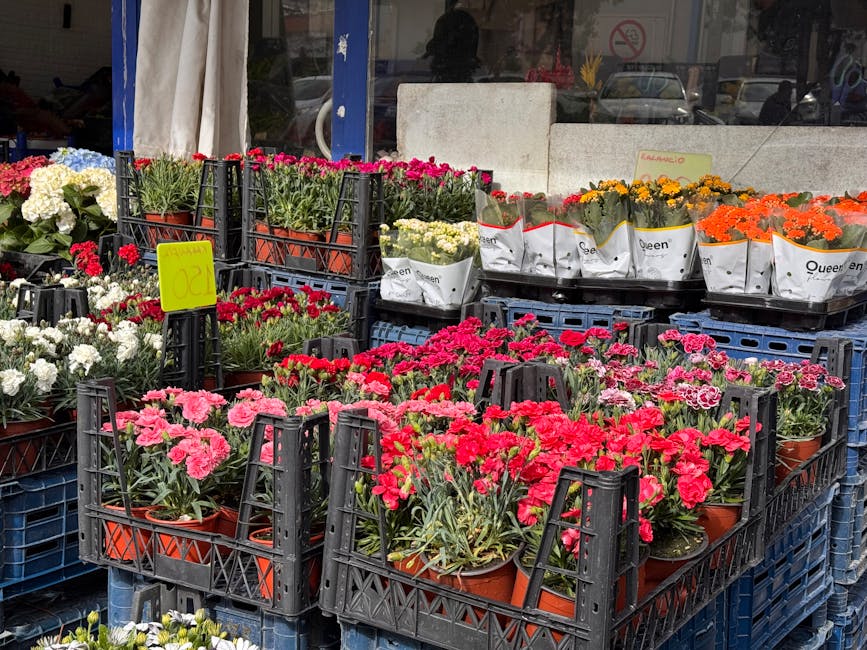
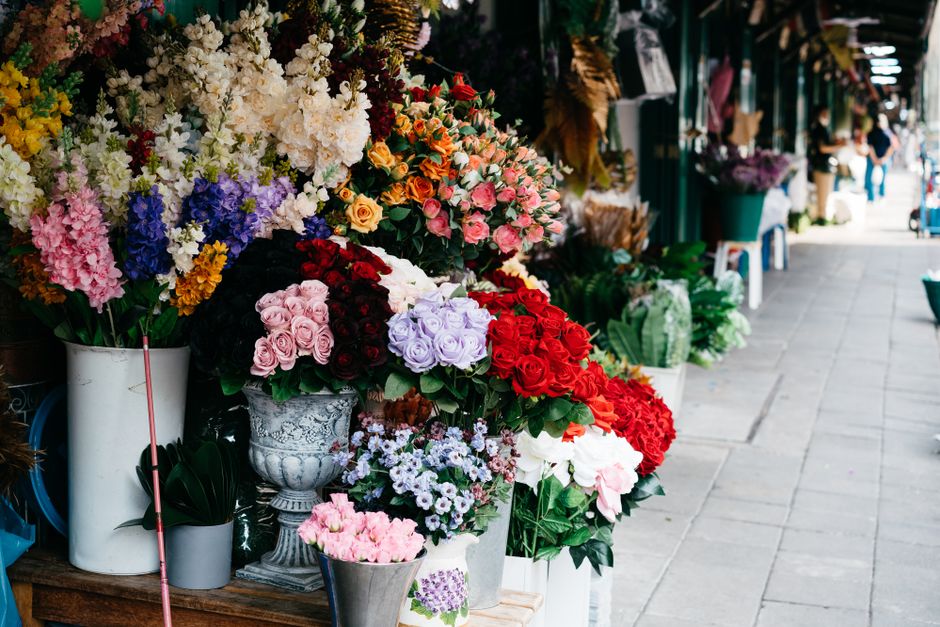
Flower displays look simple from the outside. A planter by a doorway, a window box, a hanging basket, maybe a seasonal arrangement outside a cafe. But local authorities think in terms of public safety, access, upkeep, and the wider street scene. That means the same display can be charming in one setting and problematic in another.
In Newham, the practical issue is usually not the flowers themselves. It is the impact of the display. Does it narrow a footway? Could it block visibility near a junction? Is it stable in windy weather? Does it drip water onto a busy pavement? Could it interfere with cleaning, licensing, or property boundaries? These are the kinds of questions that matter.
And to be fair, they are sensible questions. A display that looks great at 9am can turn into a trip hazard by 5pm if petals, water, or pots spread out across the pavement. One gust of wind, one busy lunch rush, and suddenly everyone's patience is tested.
Understanding the rules matters because it helps you:
- avoid complaints from neighbours, passers-by, or other businesses
- reduce the chance of being asked to move or remove a display
- keep entrances, pavements, and emergency routes clear
- present a more professional shopfront or venue frontage
- save time by planning the display correctly from the start
There is also a reputational angle. A well-managed floral display says something about the business behind it: neat, thoughtful, and attentive to detail. That can matter more than people admit.
How What to know about Newham Council rules for flower displays Works
The way these rules work in practice is usually a mix of local permissions, property considerations, and common-sense safety standards. Not every flower display needs formal council approval, but not every display is automatically allowed either. That grey area is where problems often begin.
Start with the location. A display inside private premises is generally a different matter from one on a pavement, in front of a shop, or on any land that may be shared or publicly accessed. The more public-facing the display is, the more likely it is to need careful checking.
Then look at the form of the display:
- Window boxes attached to a building
- Freestanding planters near entrances
- Seasonal floral installations for events
- Outdoor arrangements used as branding or decoration
- Tribute-style floral displays for community or memorial purposes
Each one may have different practical concerns. For example, a light basket secured to a private wall is not the same as a row of large containers set along a narrow pavement. It sounds obvious, but people do mix them up all the time.
You also need to think about the condition of the display over time. Fresh flowers need water. Water can drip. Pots can become heavy. Moss, soil, and petals can create slipping risks. A display that is fine on day one may become a nuisance on day four if nobody checks it. That is the part people underestimate.
If the display is connected to a wider business setup, such as a wedding venue, hospitality frontage, or regular seasonal decorating, the safest approach is to treat it as part of your ongoing site management rather than a one-off decoration.
Key Benefits and Practical Advantages
Following the right approach gives you more than just peace of mind. It also makes the display better. A compliant display is usually a cleaner, more durable display because it has been planned with placement, stability, and upkeep in mind.
Here are the main advantages:
- Less disruption to pedestrians, neighbours, and staff
- Lower risk of obstruction or safety complaints
- Better presentation because the design fits the space properly
- Fewer last-minute changes after installation
- More confidence if the council, landlord, or venue manager asks questions
There is a quieter benefit too: good planning tends to make maintenance easier. If the display has been set up with access in mind, it is simpler to water, tidy, and replace blooms. That matters in real life, especially when the weather is doing its usual London thing and you need to check everything in a hurry before opening.
For businesses that care about image, the display can also support the overall customer experience. A welcoming front with seasonal colour can soften hard streetscapes and make an entrance feel more inviting. That is one reason many shops and venues choose coordinated flowers rather than random decorations.
And if you are using flowers for a special occasion, you may want arrangements that fit the style of the venue or event. A local florist in West Ham E13 can often help you think through practical display options, not just the look of the flowers.
Who This Is For and When It Makes Sense
This topic is relevant to more people than you might expect. You do not need to run a large business for Newham Council rules to matter. In fact, some of the trickiest display issues come from small, well-meaning setups that were never thought through properly.
The most common readers are:
- independent retailers adding colour to a shopfront
- cafes, restaurants, and takeaways with outdoor frontage
- wedding venues and event organisers
- property managers responsible for communal or public-facing spaces
- religious, community, or cultural groups arranging floral tributes
- families or individuals planning memorial or remembrance displays
It makes sense to review the rules whenever the display changes in a meaningful way. A new season of flowers? Fine. A larger planter, a different position, or a display that extends beyond private property? That is when you should slow down and check again.
One practical example: a cafe owner may be able to keep small planters close to the wall without any real issue, but if the same owner adds a second row of pots that leaves only a thin walking channel, the display has become a different proposition. Same flowers, different risk.
For events and celebrations, timing matters too. A display put up for one weekend may be easier to manage than a permanent arrangement. Even so, temporary does not mean exempt from common sense. Temporary displays can still block access, create litter, or become unstable.
Step-by-Step Guidance
If you want a calm, practical way to handle flower displays in Newham, use this sequence. It is not glamorous, but it works.
- Define the purpose of the display. Is it decorative, promotional, memorial, seasonal, or part of an event setup?
- Identify the exact location. Check whether the flowers will sit fully on private property, attached to a building, or anywhere that may affect public access.
- Measure the available space. Make sure the display will not squeeze foot traffic or create awkward corners.
- Assess the surface and fixings. Hanging baskets, wall brackets, and stands need secure installation. Loose fittings are a bad idea. Really bad.
- Think about maintenance. Decide who waters, trims, clears debris, and checks stability.
- Review safety risks. Consider wind, rain, spills, children, wheelchairs, pushchairs, and cleaning access.
- Check if you need permission or approval. This may depend on property ownership, public land, landlord conditions, or council expectations.
- Keep records of decisions. If you did seek approval or agreed a layout with someone responsible, keep that in writing.
- Inspect the display regularly. One loose pot or one cracked hanging bracket can change the picture fast.
The step that most people skip is the regular inspection. A display is not something you set once and forget. Flowers age, weather changes, and footfall does its own thing. A quick glance before opening and after closing can prevent a surprising amount of trouble.
If you are planning displays for weddings or celebrations, a specialist arrangement can help you avoid overcomplicating things. For example, coordinated wedding table arrangements are often easier to manage than oversized free-standing pieces in a tight venue.
Expert Tips for Better Results
Small decisions make a big difference. In our experience, the best-looking displays are usually the ones that have been edited a little. Less clutter, better placement, cleaner lines. You do not need to fill every inch of space.
Here are a few practical tips that tend to help:
- Choose sturdy containers. Lightweight but flimsy pots can tip too easily.
- Keep clear edges. Leave room around entrances, kerbs, and any dropped pavement area.
- Use flowers that suit the site. Some blooms handle wind and sun better than others.
- Match the scale to the frontage. Large, dense arrangements can overwhelm narrow spaces.
- Plan for water runoff. Nobody wants a damp, slippery patch where customers walk.
- Keep the colour palette intentional. A focused scheme often looks more premium than a busy mix.
- Check the display at different times of day. Morning light can hide a problem that becomes obvious by evening.
Here is a small but useful point: if your frontage gets a lot of foot traffic, choose arrangements that look full without physically spreading too far out. That balance is often the difference between "charming" and "why is this blocking the pavement?".
And let's be honest, a display that constantly needs rescuing is not a design success. It is just gardening in a hurry.
If you are selecting seasonal flowers, think about durability as much as style. Options such as summer flowers can work beautifully when the site gets good light and enough protection from wind.
Common Mistakes to Avoid
People usually do not run into trouble because they are careless. More often, they simply underestimate how quickly a simple floral setup can create practical problems. A few common mistakes show up again and again.
- Placing displays in the wrong boundary area. A pot that feels "just beside" the entrance may actually sit in a space that needs to stay clear.
- Ignoring pedestrian flow. If people have to sidestep a planter, the display may be too intrusive.
- Using unstable stands or fixings. Decorative does not mean secure.
- Forgetting weather impact. Wind, rain, and heat can all change how a display behaves.
- Leaving dead blooms or messy spillages. Untidy displays attract complaints faster than you think.
- Assuming one approval covers every future change. If you change size, location, or structure, review it again.
- Not checking landlord or building rules. The council is not always the only decision-maker.
The biggest mistake is probably assuming that "it looks fine" is enough. Looks matter, absolutely. But compliance and safety are judged on function too. If the display catches people's coats, narrows access, or creates a slip hazard, it is no longer just a pretty arrangement.
A simple real-world example: a shop adds two large floral tubs beside the entrance because they frame the doorway beautifully. Customers love them. Then delivery drivers start squeezing past, one tub gets knocked, and suddenly the whole thing is in the middle of the path. Beautiful? Yes. Practical? Not quite.
Tools, Resources and Recommendations
You do not need a complicated toolkit, but you do need the right basics. Good tools make displays easier to manage and much safer to maintain.
Useful items include:
- Measuring tape for checking clearances and frontage width
- Stable containers or planters with enough weight for the site
- Quality fixings and brackets for wall-mounted or hanging displays
- Watering tools that reduce splashing onto walking surfaces
- Cleaning cloths and a small brush for petals, soil, and debris
- Inspection checklist for routine upkeep
- Photographs to record the intended setup before and after installation
For everyday flower buying, it can help to use a florist who understands local delivery, timing, and display needs. If you need reliable supply for a special installation, flower delivery in West Ham E13 can be useful when you are working to a deadline and need fresh stock without a lot of fuss.
If your display is part of a larger event, the wider product choice matters too. A coordinated collection can make it easier to keep the design consistent, particularly for weddings or formal functions. For those situations, wedding flowers can be a practical place to start planning the look and scale.
There is no shame in keeping things simple. In fact, simple is often safer.
Law, Compliance, Standards, or Best Practice
When people ask about Newham Council rules for flower displays, they are usually really asking: "What am I allowed to put where, and who can tell me to move it?" The answer depends on the site and the setup, so it is best to treat this as a compliance issue rather than a design question alone.
Without inventing any specific council rule, a few principles are worth keeping in mind:
- Public access must stay safe and clear. Display items should not create a hazard or obstruction.
- Property boundaries matter. A display on private land is treated differently from one that reaches into shared or public space.
- Fixings should be secure. Wall-mounted and hanging arrangements need to withstand ordinary weather and use.
- Maintenance is part of compliance. A display that is safe on day one but neglected later may still become an issue.
- Landlord or lease terms may apply. In some cases, these are just as important as council considerations.
Best practice is to ask three questions before installation: Does it stay within the right space? Can people pass safely? Can I maintain it properly? If the answer to any of those is unclear, pause and check.
For memorial or sympathy displays, the same general approach applies, but with extra sensitivity. The visual effect needs to be respectful, and the placement should avoid causing distress or access issues. A thoughtful tribute can still be calm and contained. For example, carefully chosen sympathy flowers can be arranged in a way that honours the moment without overwhelming a space.
And yes, if a display is part of a formal occasion, neatness counts. A lot.
Options, Methods, or Comparison Table
Different display methods suit different settings. What works outside a boutique may not suit a church entrance, and what suits a wedding may be far too much for a narrow pavement. Here is a simple comparison to help you think it through.
| Display method | Best for | Pros | Watch-outs |
|---|---|---|---|
| Window boxes | Shopfronts, homes, small frontage areas | Neat, compact, visible from the street | Needs secure fixing and regular watering |
| Freestanding planters | Private entrances, controlled spaces | Flexible and easy to replace | Can obstruct access if placed too far out |
| Hanging baskets | Decorative frontage, vertical interest | Uses space efficiently, attractive from a distance | Requires safe brackets and routine checks |
| Event floral installations | Weddings, launches, seasonal displays | High visual impact, customisable | Often needs more planning and more upkeep |
| Tribute-style arrangements | Memorials, remembrance, formal occasions | Respectful, structured, meaningful | Placement and scale need careful judgement |
If you are choosing between methods, start with the space rather than the flowers. That is usually the smarter order. A modest display in the right place will outperform a dramatic one that causes daily friction.
For smaller budgets, focused arrangements can still look polished. A restrained palette and one or two strong focal blooms often feel more elegant than an overfilled display. If budget is part of the decision, options like cheap flowers in West Ham E13 can help you keep costs sensible without losing the impact completely.
Case Study or Real-World Example
Imagine a small independent cafe near a busy Newham street. The owner wants a softer look at the entrance, so they add two large planters with seasonal flowers and a small hanging basket by the window. At first, it looks lovely. Customers notice it. A few even comment on the scent when they step inside on a warm afternoon.
Then the little issues start. One planter sits a touch too far forward, making it awkward for pushchairs. Water drips near the pavement edge after a heavy fill. The basket needs a sturdier bracket because it sways more than expected on windy days. None of this is dramatic, but each detail matters.
The owner reworks the layout. The planters move closer to the wall, the watering routine is changed, and the basket is secured properly. The display still looks good, but now it works with the space rather than against it. That is the real lesson: the best display is not always the biggest one. It is the one that behaves well day after day.
A wedding venue gives a similar example. The team chooses coordinated floral tables rather than oversized entrance pieces, which helps keep pathways clear while still creating a warm atmosphere. Guests remember the feeling, not the struggle to get past the decor. That's the point, really.
Practical Checklist
Use this quick checklist before you install or refresh any flower display in Newham:
- Have I confirmed exactly where the display will sit?
- Does it stay clear of pedestrian routes and door swings?
- Is it stable enough for the weather and foot traffic?
- Have I checked whether permission or approval is needed?
- Do I know who will water and maintain it?
- Will it create any spill, trip, or obstruction risk?
- Does the display fit the frontage without crowding it?
- Are there landlord, lease, venue, or building restrictions to review?
- Do I have a plan for regular inspections and cleanup?
- Would I be happy if someone asked me to explain the setup tomorrow?
If you can answer yes to most of those, you are in a much better place. If not, do not rush it. Give it another look and sort the weak spot before you install anything.
Conclusion
What to know about Newham Council rules for flower displays comes down to this: flowers are never just decoration when they sit in public-facing spaces. They affect access, safety, maintenance, and the way a property presents itself to the street. Once you think about the display in those practical terms, the rules become easier to navigate.
The smartest approach is simple. Measure carefully, keep pathways clear, use secure fittings, and treat maintenance as part of the plan rather than an afterthought. That combination will save you stress, improve the look of the display, and reduce the chance of awkward conversations later on.
For businesses and event organisers alike, a well-handled floral display can make a place feel warmer, friendlier, and more memorable. And honestly, in a busy part of London, that little bit of care goes a long way. Small details do matter. They really do.
Get a free quote today and see how much you can save.
If you are ready to plan a display that looks beautiful and behaves properly in the space, speak to a local florist who understands the practical side as well as the visual one. A good arrangement should feel easy in the end, even if the planning took a bit of thought.
Frequently Asked Questions
Do I need permission for flower displays in Newham?
It depends on where the display is placed, whether it affects public space, and whether it is attached to a building or sitting on private land. If the display reaches into a footway, changes access, or is part of a larger frontage setup, it is sensible to check before installing it.
Can I put flower pots outside my shop?
Sometimes, yes, but only if they do not obstruct pedestrians, entrances, or cleaning access. The key question is not simply "Can I place them outside?" but "Can I place them there safely and keep them there without causing a problem?"
Are hanging baskets usually allowed?
They can be, provided they are securely fixed and positioned so they do not create a hazard. The bracket, the height, the weight, and the location all matter. A basket that looks fine from inside may not be fine when seen from the pavement.
What is the biggest risk with outdoor flower displays?
The biggest risk is usually obstruction or instability. That could mean blocking a walkway, tipping in strong wind, or creating a slipping hazard through water or debris. The display itself may be beautiful, but if it gets in people's way, problems follow.
Do temporary displays need the same care as permanent ones?
Yes, at least in practical terms. Temporary displays can still create safety and access issues, even if they are only up for a day or weekend. Short-term does not mean low-risk. Not even close, really.
Who should I ask before installing a display?
Start with the property owner, landlord, venue manager, or whoever controls the space. Then consider whether the setup affects public access or needs a council check. If multiple parties are involved, get clarity early rather than guessing.
How often should I check the flowers and containers?
As often as needed for the site, but regular checks are essential. In busy areas, daily checks are sensible. After heavy rain, wind, or a busy weekend, inspect them again. A quick five-minute check can save a lot of hassle.
What flowers work best for visible outdoor displays?
Hardier flowers and sturdy arrangements tend to work better outdoors, especially if the space is exposed to wind or frequent passing traffic. The best choice depends on the season, the light, and how much care the site can realistically receive.
Can flower displays affect accessibility?
Yes, very much so. A display can narrow a route, make turning harder for mobility aids, or create awkward obstacles for pushchairs. That is why clearance matters as much as appearance. A display should welcome people, not make them squeeze past it.
Are memorial and sympathy displays treated differently?
They may be handled with more sensitivity, but the same practical concerns still apply: placement, stability, and respect for access. A tribute should feel thoughtful and appropriate to the setting, without becoming intrusive or unsafe.
What should I do if I am unsure whether my display is compliant?
Pause and review the location, ownership, and practical impact before installing it. Check your lease or venue rules if relevant, and seek clarification from the responsible party if needed. When in doubt, keep the design simpler. Simpler is often safer.
Can I use flowers to improve a customer-facing frontage without overdoing it?
Absolutely. A restrained, well-placed display can lift the whole frontage without overwhelming it. A few strong planters or baskets often work better than lots of small pieces scattered everywhere. Less clutter, more charm.
What is the most practical first step?
Measure the space and identify who controls it. That one step clears up a lot of confusion straight away. After that, decide whether the display stays fully within private space or needs a deeper check before it goes ahead.